
Growth Framework for Scalable Business Success
In today’s competitive digital landscape, businesses cannot rely on random tactics to grow. Sustainable success comes from a structured and strategic approach that aligns efforts with clear goals. This is where a well-defined growth framework becomes essential. It provides direction, consistency, and measurable outcomes, helping organizations move beyond guesswork and toward predictable growth.

A growth framework is not just a concept; it is a practical system that integrates data, strategy, execution, and optimization. When implemented effectively, it allows businesses to scale operations, improve efficiency, and maximize returns from their marketing efforts.
Understanding the Foundation of Growth
Every successful framework begins with a strong foundation. Businesses must first understand their current position in the market, their target audience, and the challenges they face. This stage involves research, competitor analysis, and performance evaluation.
A business growth framework starts by identifying key metrics such as customer acquisition cost, conversion rates, and engagement levels. These insights help in making informed decisions rather than relying on assumptions. Without this foundation, even the most creative strategies can fail to deliver results.
Building a Strategic Approach
Once the foundation is clear, the next step is developing a strategy that aligns with business objectives. A well-planned approach ensures that every action contributes to growth rather than creating scattered efforts.
A digital marketing growth framework focuses on combining multiple channels such as search engines, social media, and paid advertising into a cohesive plan. Instead of treating each channel separately, the framework connects them to create a seamless customer journey.
This stage also includes defining clear goals, whether it is increasing brand visibility, generating leads, or improving customer retention. When strategy is aligned with measurable outcomes, businesses can track progress more effectively.
Leveraging Data for Smarter Decisions
Modern growth strategies rely heavily on data. Businesses today have access to vast amounts of information, but the real value lies in how that data is used.
A data-driven growth framework emphasizes analyzing user behavior, campaign performance, and market trends. These insights help marketers understand what works and what needs improvement. Instead of making decisions based on intuition, businesses can refine their strategies using real-time data.
This approach not only improves accuracy but also reduces risks, making growth more predictable and sustainable over time.
Execution with Consistency
Even the best strategies fail without proper execution. Consistency plays a crucial role in turning plans into results. Businesses need to ensure that campaigns are implemented effectively across all platforms while maintaining brand consistency.
A scalable growth framework allows businesses to expand their efforts without losing quality. It ensures that processes are repeatable and adaptable, making it easier to handle increasing demand and market changes.
Execution also involves continuous monitoring. Regular performance tracking helps identify gaps and opportunities, enabling quick adjustments when needed.
Continuous Optimization for Long-Term Growth
Growth is not a one-time effort; it is an ongoing process. Markets evolve, customer preferences change, and new technologies emerge. Businesses must adapt to stay relevant.
Optimization involves testing different strategies, analyzing outcomes, and making improvements. This iterative process ensures that the framework remains effective even as external conditions change.
By focusing on continuous improvement, businesses can maintain momentum and achieve long-term success.
The Role of Structured Thinking in Growth
A key advantage of using a framework is the clarity it brings to decision-making. Instead of reacting to trends, businesses can follow a structured path that aligns with their goals.
Professionals like Rajbir Kohli emphasize the importance of strategic planning and data-driven execution in achieving consistent growth. This approach highlights the value of combining creativity with analytical thinking to build sustainable systems.
Frequently Asked Questions
What is a growth framework in business?
A growth framework is a structured approach that helps businesses achieve scalable growth through strategy, data analysis, execution, and continuous optimization. It ensures that all efforts are aligned with clear business goals.
Why is a growth framework important for businesses?
A growth framework provides direction and consistency. It reduces guesswork, improves decision-making, and helps businesses achieve measurable and sustainable results over time.
How does a growth framework improve marketing performance?
A growth framework connects different marketing activities into a unified strategy. By using data and performance tracking, businesses can optimize campaigns, improve targeting, and increase overall return on investment.
Conclusion: Driving Sustainable Growth
A well-designed growth framework acts as a roadmap for businesses aiming to scale effectively. By focusing on research, strategy, data, execution, and optimization, organizations can create a system that drives consistent results.
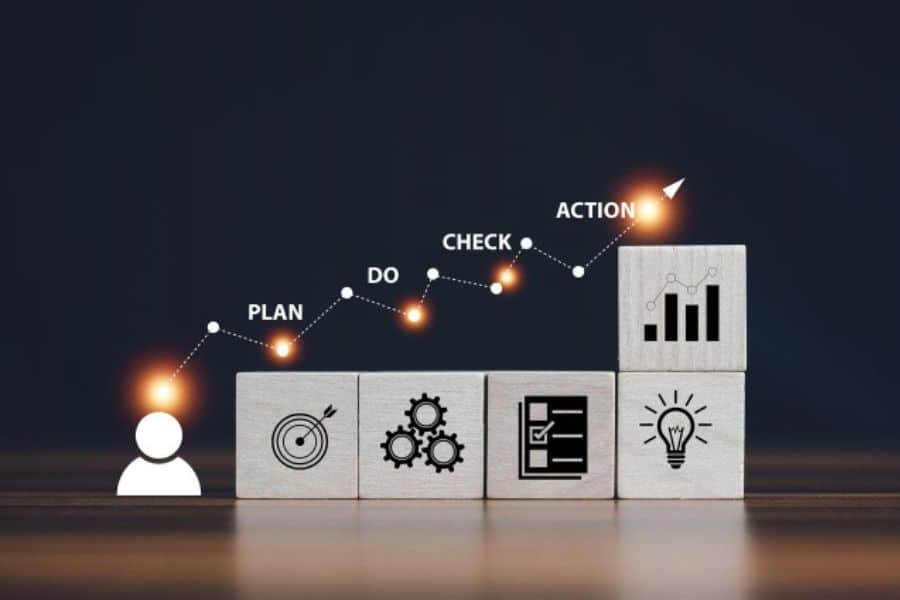
In a rapidly changing digital environment, having a structured approach is no longer optional. Businesses that invest in building and refining their growth frameworks are better positioned to adapt, compete, and succeed in the long run.
Image Reference: Freepik
Disclaimer: All trademarks, logos, and brand names are the property of their respective owners. All company, product, and service names used in this website are for identification purposes only. Use of these names, trademarks, and brands does not imply endorsement.