
Revenue Management Solution for Smarter Growth
In today’s competitive and data driven marketplace, generating revenue is no longer enough. Businesses must manage, forecast, and optimize revenue streams strategically to remain profitable and sustainable. This is where a Revenue Management Solution becomes essential. It provides organizations with the tools, insights, and structure required to maximize income while minimizing inefficiencies.
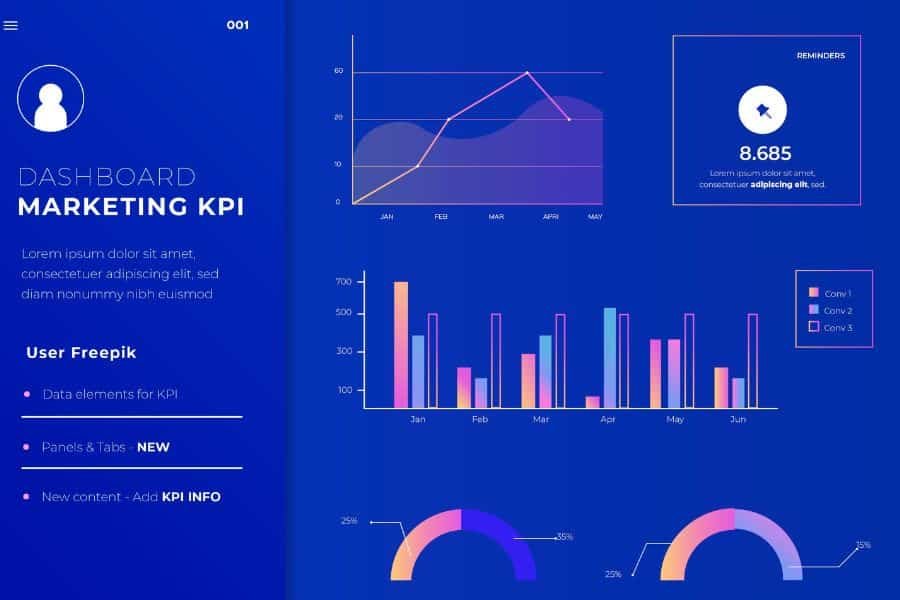
Revenue growth without management often leads to unpredictable cash flow, pricing inconsistencies, and missed opportunities. A structured approach ensures that every product, service, and customer interaction contributes meaningfully to overall profitability.
Understanding Revenue Management Beyond Accounting
Many businesses confuse revenue management with basic accounting. While accounting focuses on tracking financial transactions, a Revenue Management Solution goes much deeper. It analyzes patterns, customer behavior, pricing structures, demand trends, and market fluctuations to optimize financial performance.
It answers critical questions such as:
- Are pricing strategies aligned with demand?
- Which customer segments generate the highest value?
- Where are revenue leakages occurring?
- How can forecasting improve decision-making?
By addressing these areas, businesses shift from reactive financial management to proactive revenue optimization.
The Role of Data in Revenue Optimization
Modern businesses operate in a data-rich environment. Sales reports, customer insights, marketing performance metrics, and operational analytics provide valuable information. However, without structured interpretation, data remains underutilized.
A Revenue Management Solution integrates these data points into a centralized system, enabling:
- Accurate revenue forecasting
- Demand-based pricing strategies
- Inventory or service capacity optimization
- Performance tracking across departments
When insights guide pricing and planning decisions, organizations improve predictability and reduce financial uncertainty.
Dynamic Pricing and Market Responsiveness
Markets evolve rapidly. Customer expectations shift, competitors adjust pricing, and economic conditions fluctuate. Static pricing models often fail to capture full revenue potential.
An effective Revenue Management Solution allows businesses to implement dynamic pricing strategies. By analyzing demand patterns, seasonality, and buying behavior, companies can adjust pricing to maximize returns without compromising customer satisfaction.
For example, industries such as hospitality, travel, e-commerce, and SaaS rely heavily on flexible pricing structures. However, even service-based businesses can benefit by adjusting rates based on demand, project scope, and client value.
Enhancing Profit Margins Through Strategic Insights
Revenue growth does not always equate to higher profits. Operational costs, marketing spend, and inefficiencies can reduce margins significantly. A Revenue Management Solution helps identify areas where revenue may be increasing but profitability remains stagnant.
By analyzing cost-to-revenue ratios and campaign performance metrics, businesses can:
- Allocate budgets more effectively
- Eliminate underperforming channels
- Optimize product or service bundles
- Improve customer lifetime value
Strategic insight ensures that revenue expansion translates into measurable financial gains.
Integrating Revenue Management With Digital Strategy
In the digital age, revenue optimization is closely tied to marketing performance and customer engagement. Website conversions, advertising ROI, and lead generation campaigns directly impact financial outcomes.
A Revenue Management Solution integrates seamlessly with digital marketing analytics, CRM systems, and sales tracking platforms. This integration provides a comprehensive view of how marketing efforts influence revenue streams.
For instance:
- SEO improvements drive organic traffic that converts into sales.
- Paid advertising campaigns are evaluated based on return on ad spend.
- Email marketing sequences are measured for customer retention impact.
When revenue management aligns with digital strategy, decision-making becomes more precise and performance-driven.
Forecasting for Sustainable Growth
One of the most powerful advantages of a Revenue Management Solution is forecasting capability. Instead of relying solely on past performance, businesses can project future revenue based on trends and predictive analytics.
Accurate forecasting supports:
- Strategic expansion planning
- Resource allocation
- Cash flow management
- Risk mitigation
Businesses that plan with data backed projections experience smoother growth cycles and stronger financial stability.
Building a Culture of Financial Accountability
Revenue optimization is not the responsibility of one department. It requires cross-functional collaboration between marketing, sales, operations, and leadership teams.
Implementing a solution that encourages accountability across the organization. Teams understand how their performance contributes to overall revenue goals. This transparency fosters efficiency, better communication, and aligned objectives.
When revenue visibility increases, so does performance awareness.
Long Term Competitive Advantage
In highly competitive industries, small improvements in pricing, targeting, or forecasting can create significant financial impact over time. Businesses that rely on intuition alone often miss these opportunities.
A structured Revenue Management Solution provides clarity, consistency, and measurable direction. It transforms revenue from a reactive outcome into a strategically managed asset.
Organizations that invest in structured revenue optimization not only increase profitability but also strengthen resilience against market volatility.
Frequently Asked Question
How does forecasting help in revenue management?
Forecasting allows businesses to predict future revenue trends, plan resources effectively, and reduce financial risks through proactive decision-making.
Conclusion: Turning Revenue Into Strategic Growth
Revenue is the lifeline of every business, but unmanaged revenue can lead to inefficiency and stagnation. A Revenue Management Solution empowers organizations to analyze performance, refine pricing strategies, and forecast growth with confidence.

By combining data-driven insights with structured planning, businesses gain control over profitability rather than leaving it to chance. In a fast-evolving marketplace, strategic management is not optional it is a foundational element of sustainable success.
Image Reference: Freepik
Disclaimer: All trademarks, logos, and brand names are the property of their respective owners. All company, product, and service names used in this website are for identification purposes only. Use of these names, trademarks, and brands does not imply endorsement.